
Social media isn’t easy. Tweets flop, Instagram pictures go ignored, Facebook posts don’t always get shared.
Everybody wants to know how to go viral.

There’s never going to be a sure fire way to go viral. At the end of the day social media is just people, and you can never fully predict people.
However thanks to science and the research of Chenhao Tan we have a way to figure out what has a better shot of making it to the trending sidebar.
You can read all about their findings here. What it comes down to though, is that humans can be influenced by the way things are phrased. There is always a way to make your message better, clearer, or easier to receive.
They’ve used this information to create two amazing tools for social media marketers.
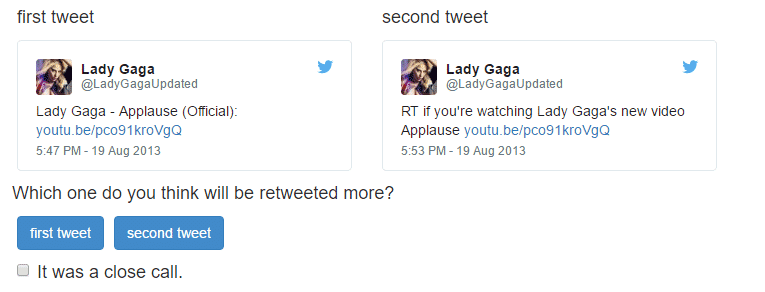
They give you two versions of the same tweet, and you have to tell them which one you believe will be retweeted more. This is a fantastic way to train your brain to understand the words and phrases that can send your tweet viral.
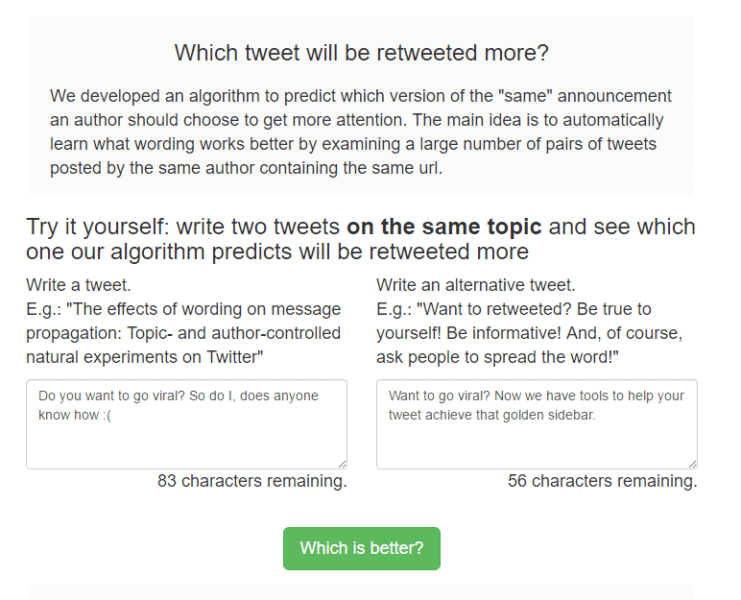
This is a fantastic tool that lets you enter two versions of your tweet. Then it will tell you, based on their algorithms, which is more likely to be successful.
These are invaluable tools for any social media marketer, and a step in the right direction to actually solving the “age old” question…. How do I go viral?
Understanding the Elements of Viral Content
Creating viral content on social media requires a deep understanding of the elements that resonate with your audience. Key components include emotional appeal, relatability, and shareability. By incorporating these elements into your tweets, you can significantly increase the chances of your content being shared widely.
For example, tweets that evoke strong emotions, whether humor, surprise, or empathy, tend to perform better. Research indicates that content that elicits an emotional response is more likely to be shared, making it crucial for marketers to craft messages that connect with their audience on a personal level.
Tools for Analyzing Tweet Performance
To optimize your tweets for virality, leveraging analytical tools is essential. These tools can provide insights into what types of content perform best, allowing marketers to refine their strategies based on data-driven decisions. Features such as engagement metrics and audience demographics can help tailor content to specific target groups.
For instance, tools like TweetDeck or Hootsuite allow marketers to track engagement rates and analyze the performance of different tweet formats. By continuously monitoring these metrics, businesses can adapt their approach and improve their chances of creating viral content over time.
Crafting Effective Calls to Action
Calls to action (CTAs) are pivotal in guiding your audience towards engagement. A well-crafted CTA can significantly enhance the effectiveness of your tweets, encouraging users to share, comment, or click through to your website. The wording, placement, and urgency of your CTAs can greatly influence user behavior.
For example, using phrases like "Join the conversation" or "Share your thoughts" invites interaction, while creating a sense of urgency with time-sensitive offers can prompt immediate action. Testing different CTAs can help identify which resonate most with your audience, leading to higher engagement rates.
Leveraging Trends for Content Ideas
Staying updated with current trends is crucial for creating timely and relevant content. By leveraging trending topics or hashtags, marketers can tap into larger conversations happening on Twitter, increasing the visibility of their tweets. This approach not only enhances engagement but also positions brands as thought leaders in their industry.
For instance, participating in trending discussions or creating content that aligns with popular events can attract a wider audience. Tools like Google Trends or Twitter's trending topics feature can help identify what’s currently capturing the public's attention, allowing marketers to align their content strategy accordingly.
Understanding the Elements of Viral Content
Creating viral content on social media requires a deep understanding of the elements that resonate with your audience. Key components include emotional appeal, relatability, and shareability. By incorporating these elements into your tweets, you can significantly increase the chances of your content being shared widely.
For example, tweets that evoke strong emotions, whether humor, surprise, or empathy, tend to perform better. Research indicates that content that elicits an emotional response is more likely to be shared, making it crucial for marketers to craft messages that connect with their audience on a personal level.
Tools for Analyzing Tweet Performance
To optimize your tweets for virality, leveraging analytical tools is essential. These tools can provide insights into what types of content perform best, allowing marketers to refine their strategies based on data-driven decisions. Features such as engagement metrics and audience demographics can help tailor content to specific target groups.
For instance, tools like TweetDeck or Hootsuite allow marketers to track engagement rates and analyze the performance of different tweet formats. By continuously monitoring these metrics, businesses can adapt their approach and improve their chances of creating viral content over time.
Crafting Effective Calls to Action
Calls to action (CTAs) are pivotal in guiding your audience towards engagement. A well-crafted CTA can significantly enhance the effectiveness of your tweets, encouraging users to share, comment, or click through to your website. The wording, placement, and urgency of your CTAs can greatly influence user behavior.
For example, using phrases like "Join the conversation" or "Share your thoughts" invites interaction, while creating a sense of urgency with time-sensitive offers can prompt immediate action. Testing different CTAs can help identify which resonate most with your audience, leading to higher engagement rates.
Leveraging Trends for Content Ideas
Staying updated with current trends is crucial for creating timely and relevant content. By leveraging trending topics or hashtags, marketers can tap into larger conversations happening on Twitter, increasing the visibility of their tweets. This approach not only enhances engagement but also positions brands as thought leaders in their industry.
For instance, participating in trending discussions or creating content that aligns with popular events can attract a wider audience. Tools like Google Trends or Twitter's trending topics feature can help identify what’s currently capturing the public's attention, allowing marketers to align their content strategy accordingly.